ServicesGutters
Gutters in Stroud, Sized and Sloped for Your Roof
New gutters, downspouts and repairs that move rainwater off the roof and out away from your home. A working system keeps the fascia sound, the ground at the foundation drier and damp out of the crawlspace, so the rooms above stay easier to cool.
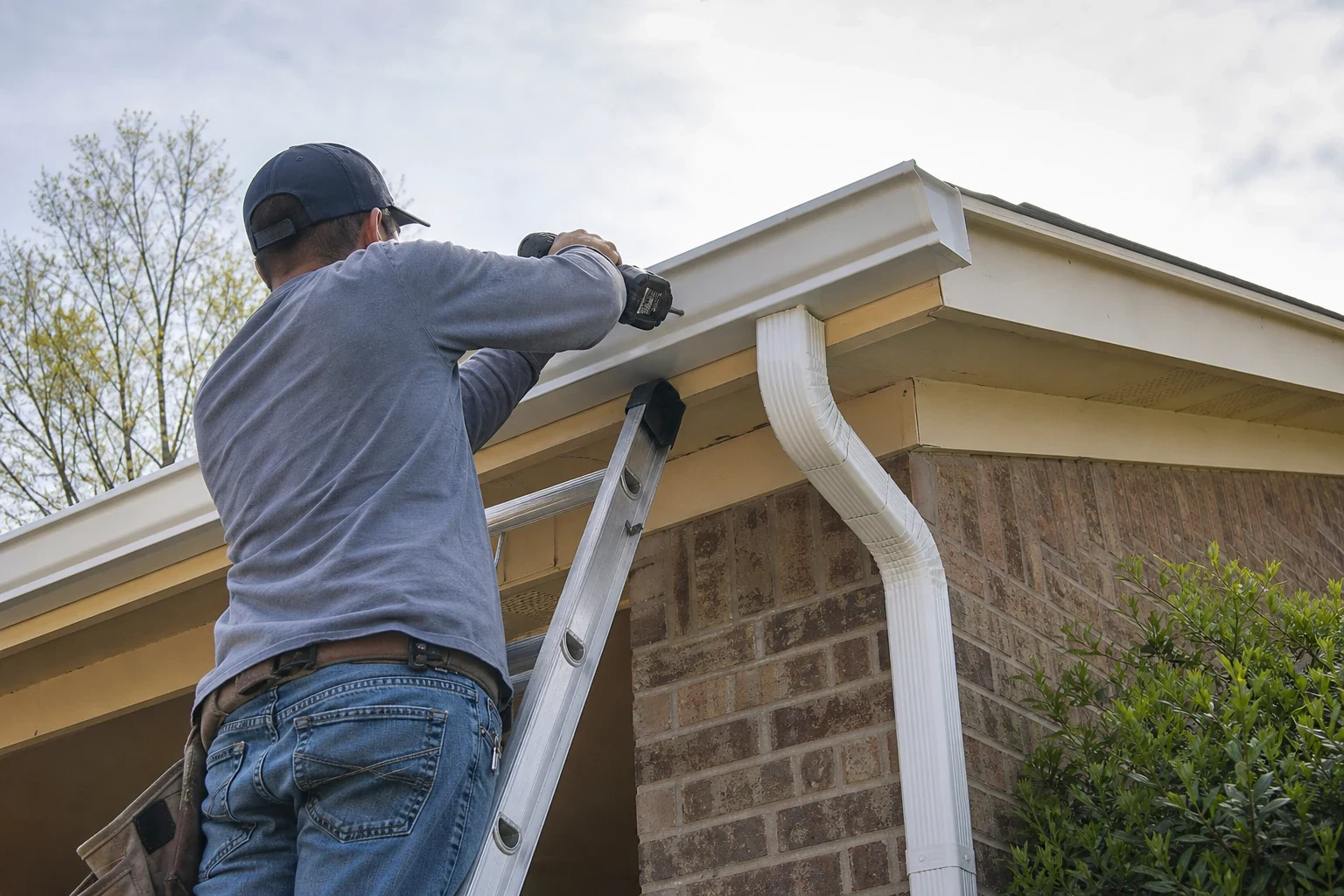
What good gutters do for your home
A roof sheds a lot of water. One inch of rain on 1,000 square feet of roof is roughly 600 gallons. Gutters and downspouts decide where all of it goes. When they work, the water lands several feet out and runs off. When they don't, it spills over the edge, soaks the fascia and pools against the foundation.
That pooled water costs more than paint. It raises the moisture under the house, and damp crawlspace air works its way into the rooms above. Humid air feels warmer, so the air conditioner runs longer to keep you comfortable. Our red clay also swells when wet and shrinks when dry, and that movement can open gaps around doors and windows where cooled air slips out.
We put up new gutters, fix the ones you have and tell you plainly which makes more sense. Our crew brings over 20 years of combined roofing experience, so we look at the roof edge and drip edge too, not just the trough.
What our gutter work covers
- New gutter installation
- We size gutters to your roof area and pitch, usually 5-inch or 6-inch K-style aluminum. Each run is sloped toward its downspout so water doesn't sit and stain.
- Downspouts and extensions
- We place downspouts so no single one is handling too much roof. Extensions or splash blocks carry the water out past the foundation instead of dumping it at the corner.
- Repairs and resealing
- Leaking seams and end caps get cleaned and resealed. Sagging runs get re-pitched, and loose hangers get fastened back into solid wood.
- Fascia and drip edge
- Gutters are only as strong as the board behind them. If the fascia is soft, we replace that section first, and we make sure drip edge sends water into the gutter instead of behind it.
- Gutter guards when they make sense
- Under oaks and pecans, guards can save you a lot of ladder time. On an open lot they may not be worth it, and we'll say so.
- Cleanup
- We haul off the old gutters and every cut-off scrap. Before the truck pulls out, we run a magnet over the lawn, beds and drive to catch stray screws and nails.
Signs your gutters need attention
Rain spills over the front lip
During a heavy rain, water should fall into the trough and head for the downspout. If it pours over the outside edge instead, debris is blocking the outlet, the gutter is too small for the roof, or the slope runs the wrong direction.
A run that dips or leans out
A gutter that drops in the middle or tilts away from the house has loose hangers or a fascia board that's starting to fail. Water collects in that low spot, and the extra weight pulls it lower with every storm.
Flaking paint and soft wood
Paint peeling off the fascia, or wood that gives under your thumb, means water is running behind the gutter. Left alone, the rot can spread up into the roof decking.
Washouts along the foundation
Bare dirt, little trenches cut through flower beds or puddles that sit by the walls after rain all point to a downspout that isn't carrying water far enough out.
A musty crawlspace or sticky air inside
If the house feels clammy and the AC never seems to catch up, check where the roof water is going. Poor drainage is a common source of extra moisture under the floor.
What moves the price of gutters
Gutter pricing mostly comes down to how much you need and what shape the wood behind it is in. We measure before we quote. Any extra charge, like fascia repair, is written into the estimate before we start.
Total footage and corners
Every added foot of gutter means more material. Each corner is a joint we cut, fit and seal by hand, so a house with lots of turns costs more than a plain rectangle of the same size.
Gutter size and downspouts
Six-inch gutters and larger downspouts cost a bit more, but a big or steep roof often needs them to keep up with a heavy storm.
Fascia condition
Rotten boards have to be replaced before anything gets hung. We won't know the full extent until the old gutters come down, but we'll tell you up front if we see signs of it.
Height and access
A two-story wall or a steep slope down from the house takes longer to work safely.
Guards and extras
Gutter guards, underground drain lines and splash blocks are optional and priced separately.
How a gutter job goes
- 1
We look and measure
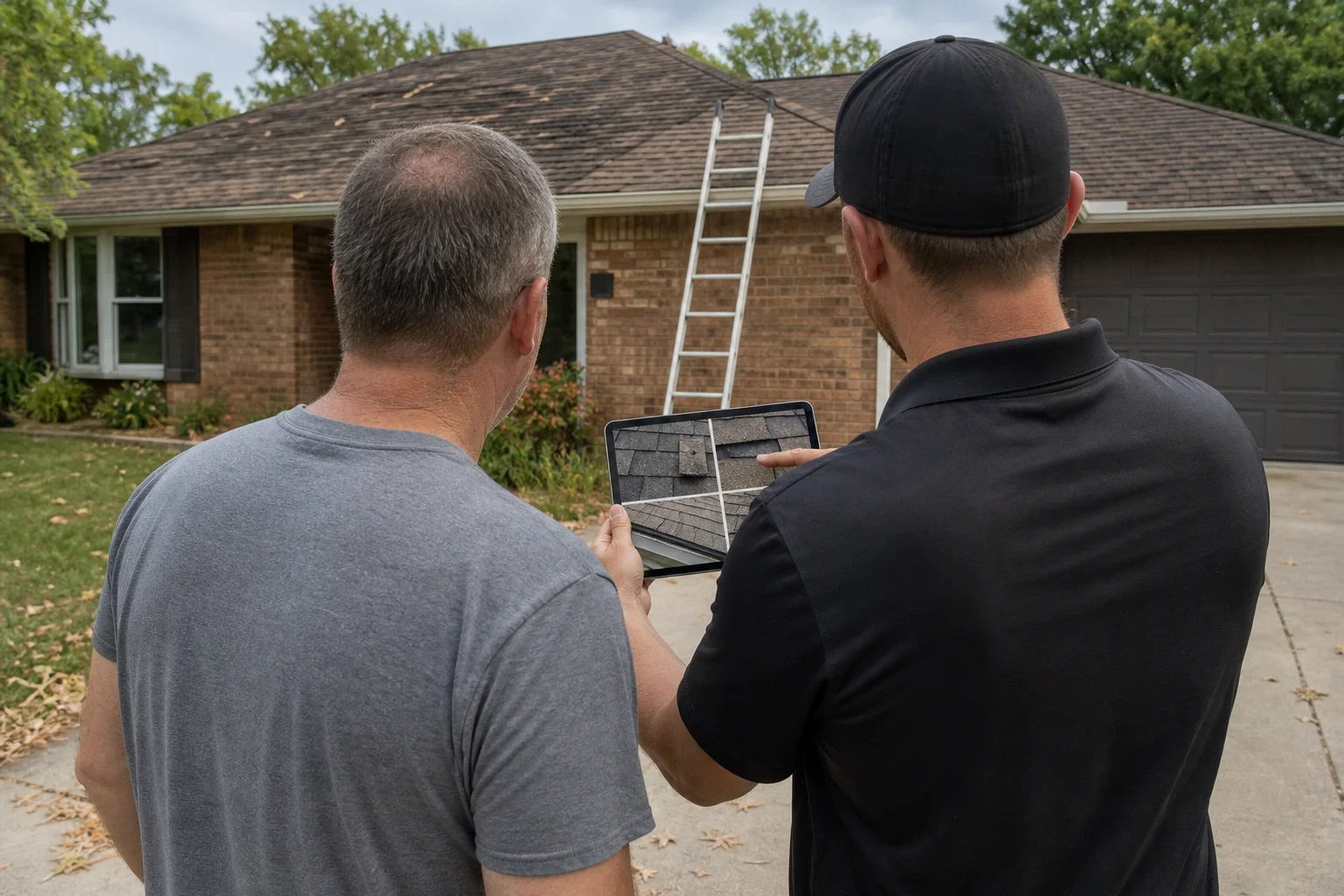
We walk the house, measure each run and check the fascia, drip edge and where water lands now. We'll show you photos of anything that needs fixing.
- 2
You get a clear estimate
We go over it line by line: gutter size, number of downspouts, any wood repair and guards if you want them. If a repair will do, we tell you that.
- 3
Install day
Most houses take a single day. We take down the old gutters, repair any bad fascia, hang the new runs on hidden hangers and set the slope to each downspout.
- 4
Water test and walkthrough
We run water through the system to check flow and seams, then walk it with you. Our work is backed by a lifetime workmanship warranty.
Gutter questions we hear
Should I repair my gutters or replace them?
If the gutters are sound and the trouble is a few dripping seams or one low section, a repair usually does the job. If they're rusted through, sloped wrong end to end or too small for the roof, replacing them costs less over time. We'll go over the photos with you and tell you which way we'd go if it were our own house.
Can gutters really make my house cheaper to cool?
Not directly. Gutters don't insulate anything. What they do is keep water out of the crawlspace and the soil next to the house, and a drier house is easier to keep comfortable. Less humidity under the floor means the air conditioner has less moisture to pull out of the air.
Do I need 5-inch or 6-inch gutters?
Many single-story homes do fine with 5-inch. A large roof, a steep pitch or a long run that feeds one downspout often needs 6-inch to handle a spring downpour. We decide after measuring, not by habit.
Should I put new gutters up before or after a new roof?
If you're planning a roof replacement soon, do the gutters with it or right after. The drip edge goes on with the roof, and old gutters often get bent coming down. We handle both, so the two are planned together.
Do you offer a warranty on gutter work?
Yes. Gutters we hang and repairs we make are covered by our lifetime workmanship warranty. If a run we installed pulls loose or a seam we sealed starts dripping because of our work, we'll come back and fix it.
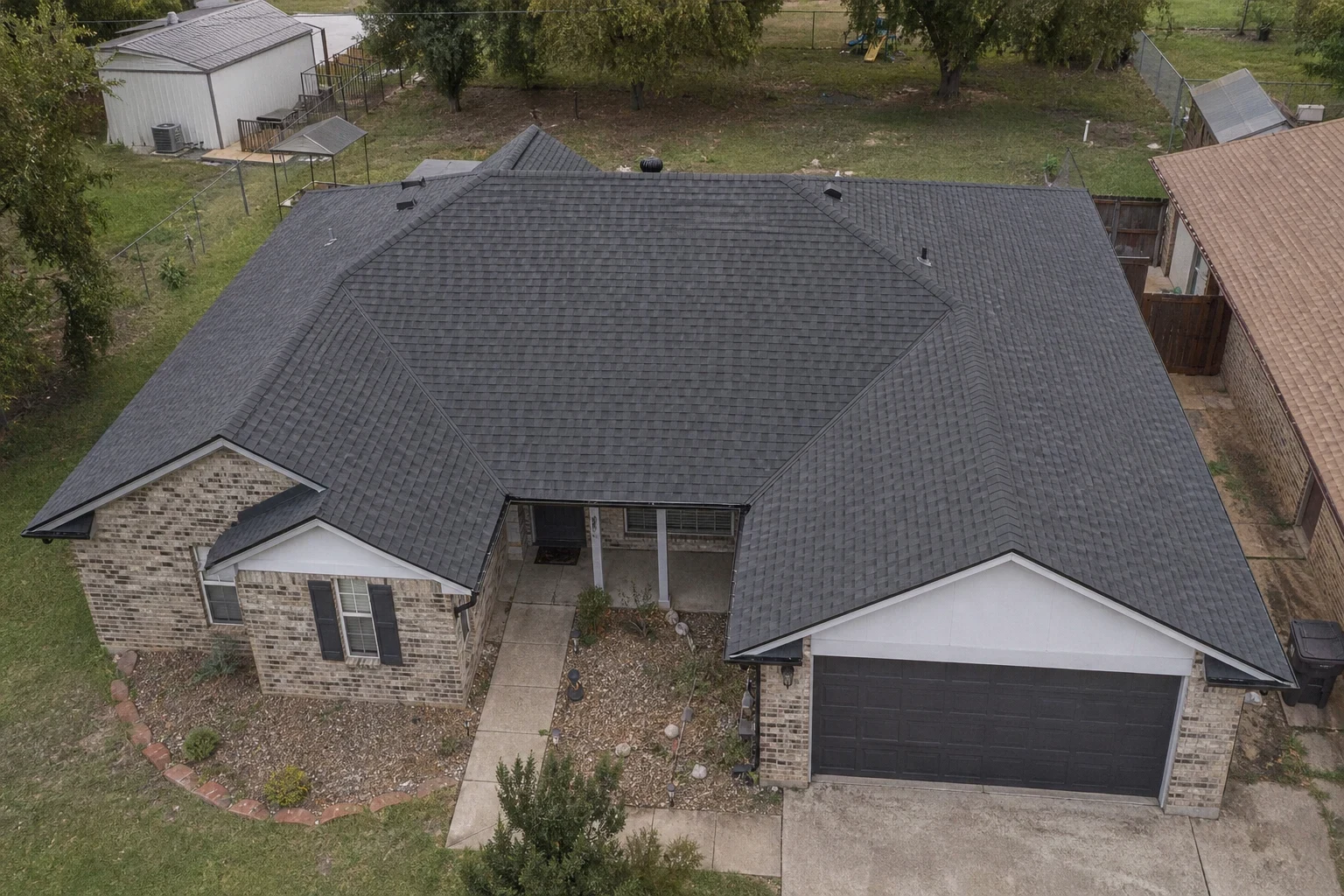
Get the water off your roof and away from your walls
Tell us what you're seeing in the next rain, and we'll come measure and look things over. We work in Stroud and nearby towns like Chandler, Cushing and Bristow.